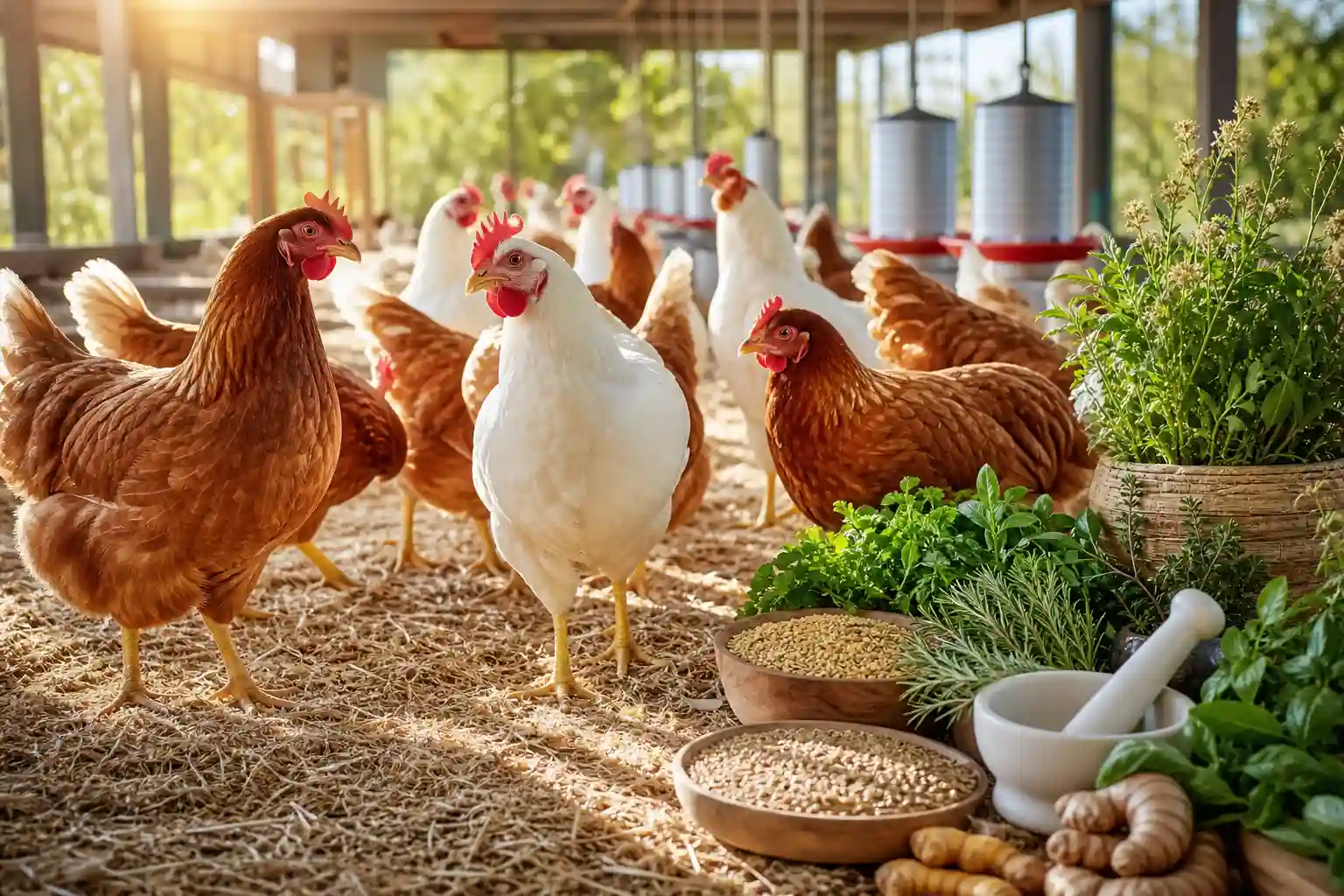
Antibiotic-Free Poultry Production: The Role of Supplementation
The shift toward antibiotic-free poultry production is one of the most significant changes I’ve witnessed in my career. When I started, antibiotic growth promoters were standard in almost every broiler feed. Today, many operations are raising birds without any in-feed antibiotics. The transition is not simple, and supplementation plays a critical role in making it work.
Why the Shift
Consumer demand is the primary driver. Major food service companies and retailers have committed to reducing or eliminating antibiotics in their supply chains. Producers who want access to these markets must adapt.
The scientific case is also compelling. Antibiotic resistance is a legitimate public health concern. While the contribution of agricultural antibiotic use to clinical resistance is debated, the precautionary principle has driven regulatory changes.
The result is that antibiotic-free (ABF) production is now the standard in many markets. Operations that cannot produce ABF birds are increasingly locked out of premium markets.
The Challenge of ABF Production
Removing antibiotics from feed creates immediate challenges. Antibiotic growth promoters controlled low-grade bacterial challenges in the gut, reducing inflammation and improving nutrient absorption. Without them, gut health issues emerge.
The most common problems in ABF production include:
- Increased enteric disease: Necrotic enteritis, coccidiosis, and bacterial enteritis are more common
- Higher mortality: Mortality rates typically increase by 0.5-2% during the transition
- Poorer feed conversion: FCR often increases by 2-5 points without antibiotics
- Reduced uniformity: More variation in bird weights at processing
These challenges are manageable but require a comprehensive approach.
Supplement Strategies for ABF Production
Gut health supplements are the foundation of antibiotic-free production. The goal is to create an intestinal environment where pathogens cannot thrive, without directly killing bacteria.
Probiotics: Bacillus-based probiotics are essential in ABF programs. They provide competitive exclusion, produce antimicrobial compounds, and stimulate immune function. Start probiotics from day 1 and feed continuously.
Organic acids: Formic, propionic, and butyric acids reduce the pH in the upper digestive tract and have direct antimicrobial activity. Coated products that release in the lower gut are more effective.
Enzymes: Improving nutrient digestibility reduces the substrate available for pathogenic bacteria. Protease, xylanase, and phytase all contribute to better nutrient utilization.
Yeast cell wall products: Mannan-oligosaccharides bind pathogenic bacteria and prevent gut colonization.
Phytogenics: Herbal compounds with antimicrobial activity provide additional support but work best as part of a blend.
Management Adjustments
Supplements alone cannot replace antibiotics. Management changes are equally important:
- Lower stocking density: Reducing bird density by 10-15% reduces disease pressure
- Better litter management: Cleaner litter reduces pathogen loads
- Longer downtime: Extended periods between flocks break disease cycles
- Vaccination programs: Coccidiosis vaccination is essential in many ABF programs
- Feed form and quality: Pelleted and crumbled feeds with good quality control reduce digestive issues
In my experience, operations that combine supplements with these management changes succeed. Those that rely on supplements alone to fix management problems do not.
The Economic Reality
ABF production costs more. The combination of supplements, management changes, and performance penalties typically adds $0.01-0.03 per pound of live weight. In some operations, the increase is higher during the transition period.
However, the premium for ABF products often covers these additional costs. Producers who can consistently deliver ABF birds to premium markets may see better overall margins than conventional producers.
The Future
The trend toward reduced antibiotic use is irreversible. Even in markets where ABF is not required, the pressure to reduce antibiotic use continues. Supplementation will remain a critical component of modern poultry production as the industry moves toward more sustainable practices.
Summary
Successful antibiotic-free production requires a comprehensive approach that combines supplements, management changes, and vaccination. Probiotics, organic acids, enzymes, and gut health products are essential tools. The transition is challenging but achievable with the right strategy and realistic expectations.