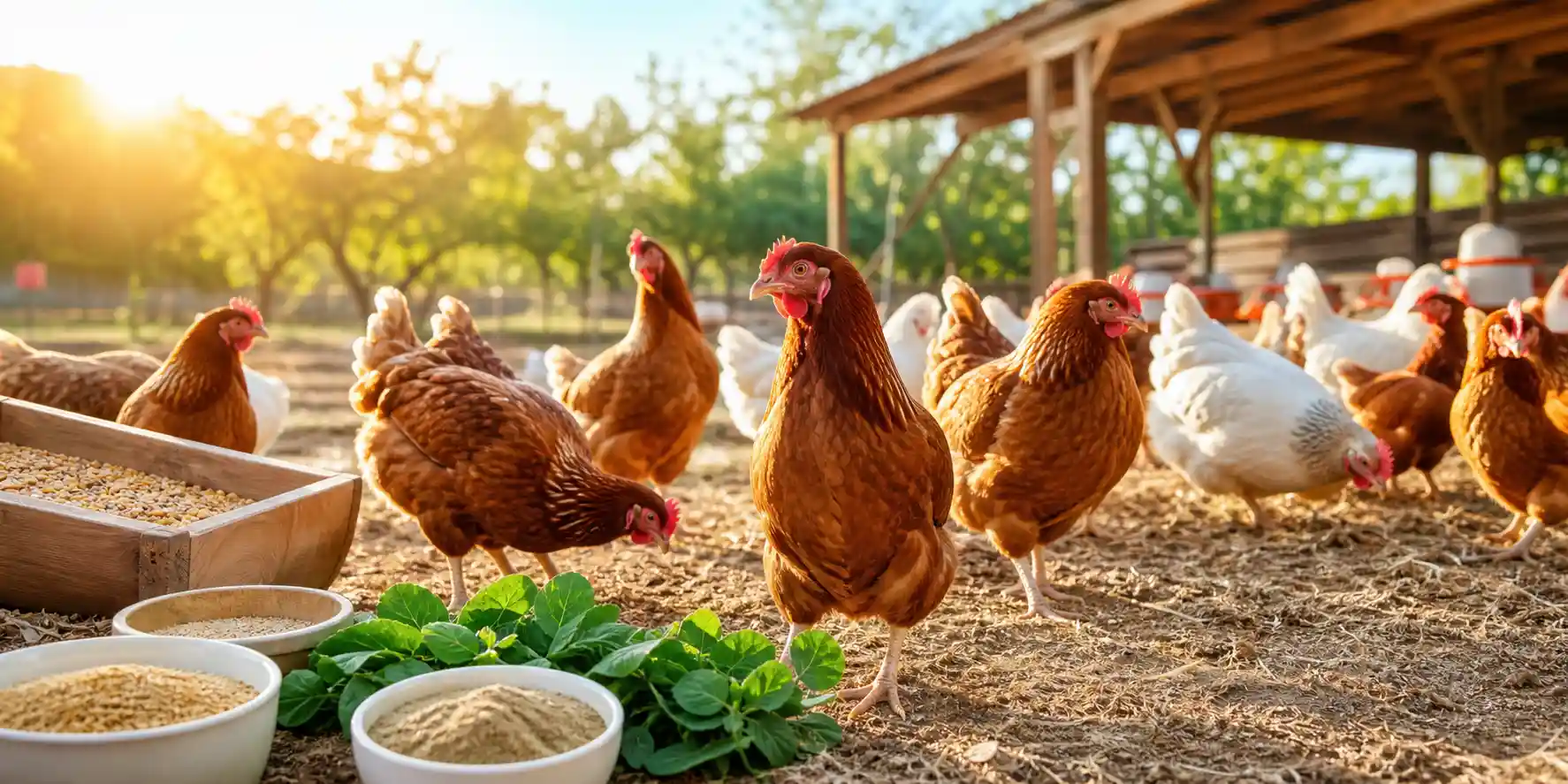
Supplements to Reduce Antibiotic Usage in Poultry Production
The global movement to reduce antibiotic use in poultry production has accelerated over the past decade. I’ve helped numerous operations transition from conventional to antibiotic-free production, and the supplement program is central to success.
The Antibiotic Reduction Landscape
The reasons for reducing antibiotics vary by market:
- Regulatory. EU ban on growth-promoting antibiotics (2006); US Veterinary Feed Directive (2017)
- Consumer. Growing demand for antibiotic-free labeled products
- Export. Some markets require antibiotic-free certification
- Public health. Concerns about antibiotic resistance
Whatever the driver, reducing antibiotics requires a comprehensive nutritional strategy.
Supplements That Reduce Antibiotic Need
The most effective categories for reducing antibiotic dependence:
Probiotics. Bacillus subtilis at 500-1,000 g/ton is the most researched alternative. In my trials, Bacillus probiotics reduce the need for therapeutic antibiotics by 40-60% by preventing enteric disease.
Organic acids. Formic and propionic acid blends at 2-4 kg/ton reduce gut pathogen levels and improve digestion. Their antibacterial effect reduces the need for therapeutic antibiotic treatments.
Enzymes (phytase, xylanase, protease). By improving nutrient digestibility, enzymes reduce the substrate available for pathogenic bacteria in the hindgut. This reduces enteric disease risk.
Trace minerals (especially zinc and copper). Zinc at 80-120 ppm and copper at 125-175 ppm have direct antimicrobial effects in the gut.
Mannan-oligosaccharides. MOS at 500-1,000 g/ton bind pathogens and prevent intestinal colonization.
Phytogenic feed additives. Oregano oil, garlic, and other botanicals at 100-300 g/ton provide mild antimicrobial support.
Building an Antibiotic Replacement Program
No single supplement can replace antibiotics. A successful program uses multiple products in combination.
My standard antibiotic-free program:
| Component | Level | Function |
|---|---|---|
| Bacillus probiotic | 500-1,000 g/ton | Competitive exclusion |
| Organic acids (blend) | 3-5 kg/ton | Gut pH reduction, antimicrobial |
| MOS | 500-1,000 g/ton | Pathogen binding |
| Zinc | 100-120 ppm | Gut barrier function |
| Phytase | 500 FTU/kg | Nutrient release |
| Xylanase | 100-200 g/ton | Viscosity reduction |
| Vitamin E | 80-100 IU/kg | Immune support |
The total cost of this program is $12-22 per ton of feed, compared to $2-5 per ton for antibiotic growth promoters.
Managing the Transition
The transition from conventional to antibiotic-free production typically follows this path:
Phase 1: Reduce. Remove growth-promoting antibiotics while keeping therapeutic antibiotics available. Implement the supplement program.
Phase 2: Replace. Remove routine therapeutic antibiotics. Use supplements as primary gut health support. Keep antibiotics for diagnosed disease outbreaks.
**Phase 3: Eliminate. Remove all antibiotics. Only use for specific disease treatment under veterinary direction.
Each phase takes 3-6 months and requires performance monitoring. Performance typically drops 2-5% during Phase 1 and another 2-3% during Phase 2, then stabilizes.
Performance Expectations
Realistic performance in antibiotic-free production compared to conventional:
| Metric | Conventional | Antibiotic-Free | Difference |
|---|---|---|---|
| FCR | 1.70-1.75 | 1.73-1.80 | 3-5 points higher |
| Body weight | 2.50-2.65 kg | 2.45-2.55 kg | 2-4% lower |
| Mortality | 2-4% | 3-6% | 1-2% higher |
| Condemnation | 0.5-1% | 1-2% | Higher |
| Feed cost/ton | Baseline | +$8-15 | Higher |
These differences shrink with experience. Operations with 2+ years of ABF experience can approach conventional performance.
Monitoring Health
Without antibiotics, early detection of health problems is critical:
- Monitor mortality daily (spikes indicate problems)
- Check feed intake (drops indicate illness)
- Observe bird behavior and activity
- Examine litter quality
- Process monitoring (lesion scoring at processing)
The supplement program should be adjusted based on these indicators.
The Cost of Antibiotic-Free Production
The total cost of transitioning to antibiotic-free production:
- Supplement program premium: $8-15/ton
- Lower performance (FCR + growth): $5-10/ton
- Higher mortality: $2-5/ton
- Total: $15-30/ton of feed
Market premiums for antibiotic-free products typically range from $0.05-0.15/lb, which offsets the additional cost.
Summary
The transition to antibiotic-free production is achievable with a comprehensive supplement program. The key is using multiple products in combination, managing the transition in phases, and accepting some performance reduction as the cost of meeting market demands.